The Importance of Local Culture in Slow Tourism
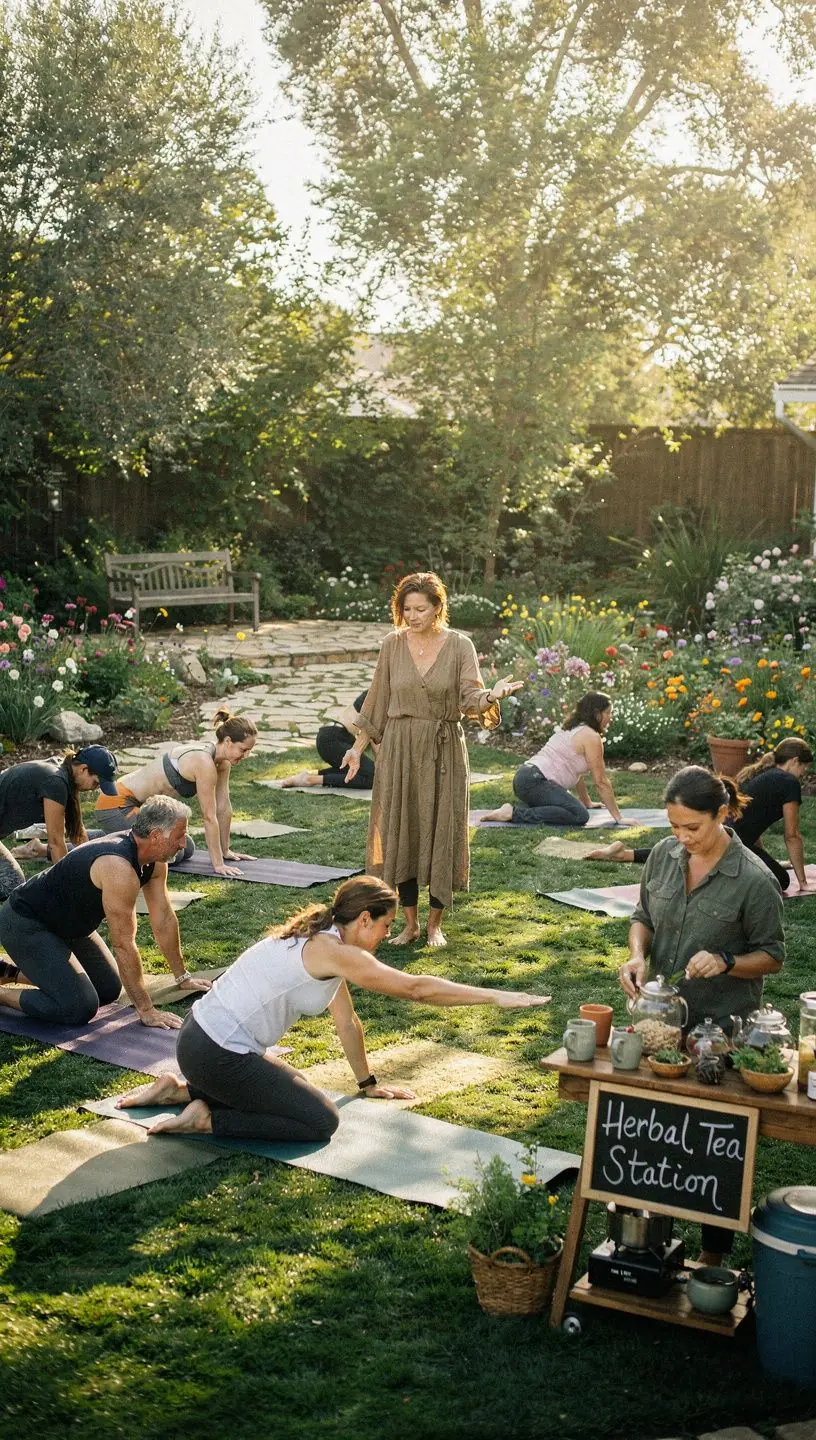
In recent years, slow tourism has gained momentum as travelers seek meaningful experiences that prioritize local culture over frantic itineraries. This article delves into the significance of local culture in slow tourism, highlighting how it enhances travel experiences and fosters sustainability.
Understanding Slow Tourism
Slow tourism is a philosophy that encourages travelers to immerse themselves in their destinations, valuing quality over quantity. According to research from the United Nations World Tourism Organization, this approach often leads to more sustainable tourism practices, benefiting local communities and economies.
Why Local Culture Matters
Engaging with local culture is a cornerstone of slow tourism for several reasons:
- Authenticity: Experiencing local customs and traditions helps travelers gain a deeper understanding of the destination. According to studies, authentic cultural experiences often lead to higher satisfaction rates among tourists.
- Economic Benefits: Supporting local artisans and businesses through cultural activities can stimulate the economy. Experts suggest that spending money locally contributes to the community's overall well-being and sustainability.
- Environmental Awareness: Many slow tourism practices advocate for eco-friendly options that respect local environments. Engaging with local culture often promotes conservation and responsible resource use.
"Travelers often report that immersing themselves in local culture enriches their experiences, leaving them with lasting memories and connections." - Travel Research Institute
Practical Ways to Engage with Local Culture
Travelers looking to embrace local culture while minimizing stress can consider the following practices:
- Participate in Local Festivals: Attending festivals allows travelers to connect with the community and understand its values, traditions, and celebrations.
- Support Local Cuisine: Opting for local dining experiences can offer insights into regional flavors and cooking techniques. Many culinary experts recommend seeking out family-run establishments for a more authentic taste.
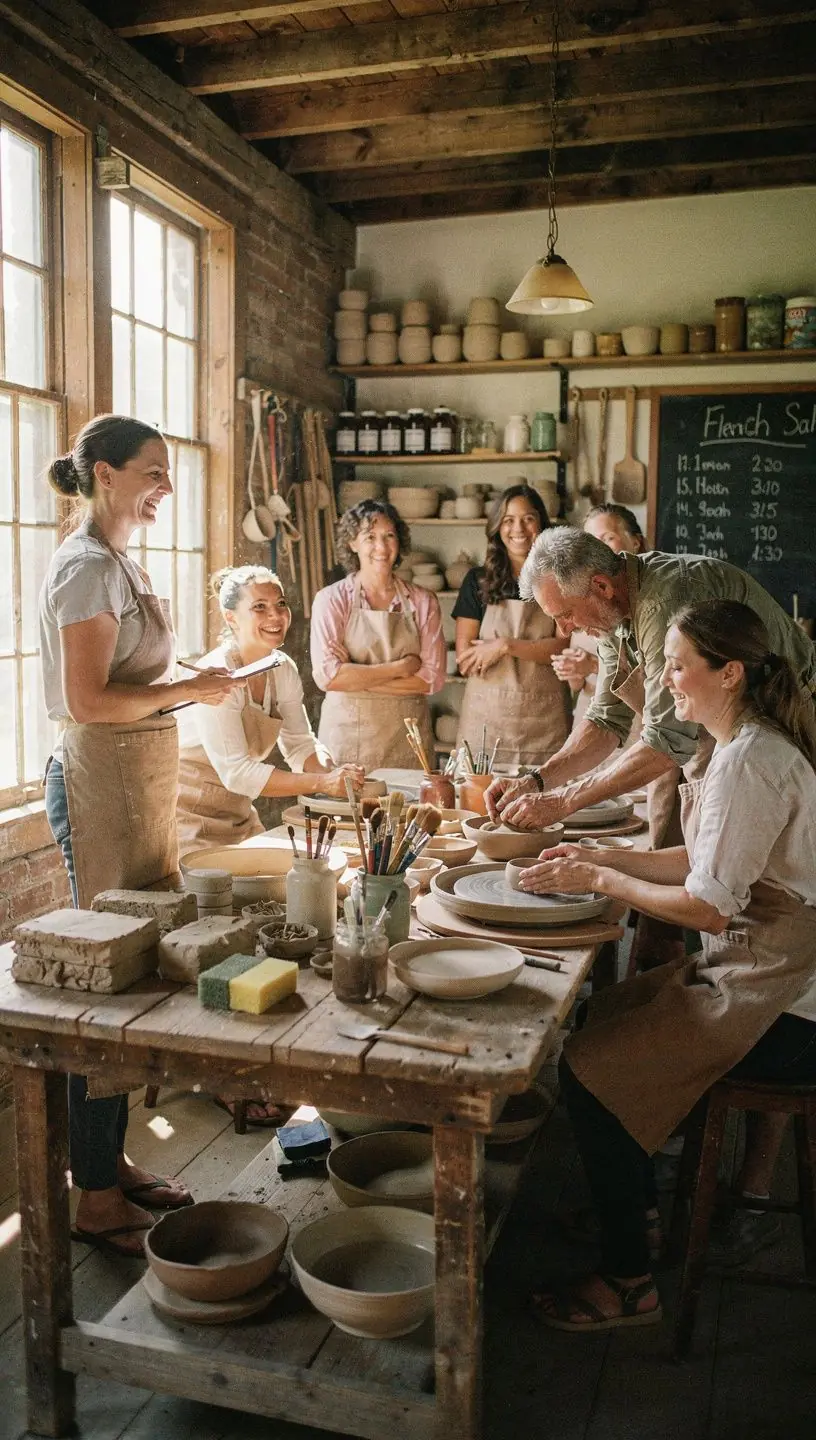
- Learn Local Crafts: Engaging in workshops to learn traditional crafts not only supports artisans but also provides a tangible connection to the culture.
Challenges and Considerations
While engaging with local culture can vastly improve travel experiences, travelers should acknowledge some limitations:
- Time Commitment: Immersion often requires a longer stay, typically ranging from several days to weeks, to fully appreciate the cultural nuances.
- Language Barriers: Interaction may involve overcoming language challenges, which can require patience and adaptability.
- Respect for Local Customs: Travelers must be aware of and sensitive to local traditions and practices, which may differ significantly from their own.
Conclusion
Incorporating local culture into slow tourism not only enriches the travel experience but also supports sustainable practices that benefit communities. By valuing cultural immersion, travelers can enjoy more meaningful journeys that foster a connection with the places they visit. Ultimately, slow tourism invites us to travel not just to see, but to truly experience.
Discover More